
Category: Latest Thinking

Choosing the Right TPA Model for Your Healthcare Plan

By Dominic Micali and Joseph DiBella, REBC

Employers and plan sponsors are increasingly opting for self-funded health plans over fully insured health plans, in part, to gain access to detailed claims data that allows them to identify cost drivers and tailor benefits to better meet employee needs. This approach enables companies to directly manage their healthcare expenses, potentially reducing costs when claims are lower than expected while leveraging stop-loss insurance for financial protection against large, unexpected claims. For plan administration, such as member service and claims processing, self-funded plans rely on Third Party Administrators (TPAs). Depending on their goals, employers can choose from several TPA models.


The Three TPA Models

There are three types of TPAs employers can work with to manage their self-funded plan: a health-carrier-administered TPA, a true independent TPA and a hybrid, health-plan-owed TPA. While all models will support self-insured employers, the administrative experience, operational flexibility and overall employer and member impact can differ significantly. The appropriate TPA model ultimately depends on the employer’s priorities – whether they value integration and scale or flexibility, transparency and customization.

  1. Health-Carrier-Administered TPA

    National health carriers are fully integrated insurance organizations that can provide administrative services for their fully insured plans and employers’ self-funded plans. When administering self-funded plans, these carriers commonly unbundle their fully insured infrastructure to deliver a familiar, standardized experience. This includes proprietary provider networks, claims systems, medical management and integrated reporting.

    While this TPA model does offer “plug-and-play’ convenience for employers, it also lacks transparency, flexibility and opportunities for customization. For example:

    • The carrier controls claims data and limits what employers see, reducing their ability to address care gaps or mitigate claims through population health strategies.
    • This model often limits vendor carve-outs, customization, network design and specialty program rules — and carriers typically mandate the use of their chosen or affiliated pharmacy benefit managers (PBMs).

    What a health-carrier-administered TPA does bring to the table is scale, stability, established processes and a comprehensive administrative platform. For plan members, there is typically no visible distinction between fully insured and self-funded arrangements under a carrier model. Familiar insurance company branding on plan ID cards makes the transition to self-funded seamless for employees.

  2. True Independent TPA

    In contrast to a health-carrier-administered TPA, a true independent TPA is not associated with a national health carrier. They are focused exclusively on self-funded plan administration. These TPAs generally operate their own claims processing platforms and lease provider networks from carriers rather than owning them.

    While true independent TPAs may not have quite the breadth of infrastructure or brand recognition of a health-carrier-administered TPA, they are the most nimble — offering employers greater transparency and control, as well as the flexibility needed to support tailored plan designs. For example:

    • Data transparency and customizable reporting to provide employers with the comprehensive claims data needed to create health and wellness strategies tailored to their employee population.
    • Flexibility to support seamless integration of third-party vendors and giving employers freedom of choice with respect to pharmacy benefits administration, care management and other carve-out strategies.
    • Ability to adopt disruptive reimbursement models, such as reference-based pricing that reimburses hospitals at a transparent percentage of Medicare, allowing employers to achieve predictable, balanced reimbursements and long-term cost savings.
  3. Hybrid, Health-Plan-Owned TPA

    Recently, hybrid, health-plan-owed TPAs have formed. These TPAs are owned – but not operated – by national carriers, offering some of the flexibility of true independent TPAs with carrier infrastructure. These administrators tend to be more responsive than their parent carriers, but share some limitations, such as:

    • In some instances, hybrid, health-plan-owned TPAs operate within strategic parameters established by the parent organization, so similar to a health-carrier-administered TPA, there are typically limitations around choosing vendors such as PBMs.
    • When it comes to data ownership and claims reporting, hybrid, health-plan-owned TPAs provide more access than the carrier would but are not as transparent as a true independent TPA.


TPA Models At-A-Glance

While there’s no one-size-fits-all approach to selecting a TPA model, employers will want to choose the one that best meets the needs of their business and employees. The table below compares the three TPA models across several key measures.

Comparison of TPA Models Across Key Measures

Health-Carrier-Administered True Independent Hybrid, Health-Plan-Owned
NETWORK OWNERSHIPOwnedLeased from health carrier
Leased from parent company/health carrier
VENDOR CARVE-OUT FLEXIBILITY TO SUPPORT CUSTOM PLAN DESIGNNot flexible – generally limited to carrier’s chosen/affiliated vendors (including PBMs)Fully flexible to support custom plan designsSome vendor limitations and mandates but more flexible than health-carrier-administered TPAs
DATA ACCESS & TRANSPARENCYLimited to carrier’s standard data sets
Full claims data access and transparencyLimited, but increased access vs. health-carrier-administered TPAs
CLAIMS ADMINISTRATION & MEMBER SERVICESTypically, a standard bundle of servicesCan be highly customizedBundled and fairly rigid with slight customization
PRICING TRANSPARENCYBundled services and embedded fees make pricing less transparentPricing is highly detailed and transparentModerate transparency
CUSTOM REPORTING AVAILABLEReporting limited to carrier’s standard reportsHighly detailed, custom reporting availableLimited, but more custom reporting vs. health-carrier-administered TPAs
EMPLOYEE & PROVIDER BRAND RECOGNITION (MEMBER ID CARD)Highly recognized national insurance carrier nameLow name recognitionHighly recognized national insurance carrier name
ABILITY TO SUPPORT DISRUPTIVE/ALTERNATIVE REIMBURSEMENT MODELSSupports standard/traditional
models only
Can support and integrate alternative modelsSupports only models associated with parent company


The Conner Strong & Buckelew Advantage

Working with the right TPA is key to ensuring the success of a self-funded plan. A strong broker partner can help employers determine which TPA model is the best fit based on organization size, priorities and employee population. At Conner Strong & Buckelew our team of employee benefits experts work with employers to conduct due diligence in evaluating TPA partners —  from breaking down TPA fees and embedded costs to identifying strengths and alignment with goals. Working together with our population health team, our employee benefits advisors help employers design a benefits plan that is tailored to their unique needs.

Ready to elevate your employee benefits strategy? Contact us today to partner with experienced professionals committed to helping you control costs and care for your people.

Download PDF

A Modern Approach to Fair, Transparent, and Sustainable Healthcare Pricing

By Joe DiBella, REBC

PERMA FAIR is an indexed pricing platform designed to bring transparency, fairness, and long-term sustainability to employer-sponsored healthcare. Traditional healthcare pricing is largely driven by negotiated network contracts between large insurance carriers and hospitals. Those negotiations often result in reimbursement levels reaching 250%–400% of Medicare, which contributes significantly to rising healthcare costs for employers and plan sponsors. Because hospital services account for approximately 40%–50% of total healthcare spending, these pricing dynamics have produced cost increases that many employers and plan sponsors can no longer sustain. PERMA FAIR addresses this challenge by applying a consistent Medicare-based reimbursement methodology to paying hospital claims, creating a transparent and predictable payment structure. By replacing arbitrary negotiated pricing with a widely accepted benchmark, employers and plan sponsors can reduce medical spending by approximately 18%–25% while maintaining strong provider reimbursement and improving member benefits. The model combines advanced claim repricing technology with best-in-class third-party administrators and proactive care navigation, producing a system that is fair to hospitals, sustainable for employers, and protective of plan participants.


Why PERMA FAIR Matters Now

Healthcare costs are rising at unprecedented levels, and employer health plan budgets are under extraordinary pressure. At the same time, a new wave of fiduciary scrutiny is emerging around how employer health plans are managed. For decades, employers have carried fiduciary responsibility over retirement plans such as 401(k)s, ensuring that investment options and fees are reasonable and properly overseen. Increasingly, the same expectations are being applied to healthcare. Employers are being asked to demonstrate that reimbursement practices, vendor relationships, and plan structures are prudent, transparent, and aligned with the best interests of plan participants. In this environment, it becomes increasingly difficult to justify reimbursement levels at 250% or more of what Medicare pays without a defensible methodology.

Indexed pricing models such as PERMA FAIR provide a transparent and consistent framework that is far easier to defend from a fiduciary standpoint while simultaneously addressing the underlying cost drivers that continue to push healthcare spending higher.


The Challenge With the Current Healthcare System

Today’s healthcare system is largely dominated by large national insurance carriers often referred to as the BUCAs — Blue Cross, United, Cigna, and Aetna. These organizations assemble large numbers of covered lives and use that enrollment as leverage to negotiate reimbursement contracts with hospitals and providers. Over time this system has evolved through multiple plan designs including HMOs, PPOs, and high-deductible health plans. Yet despite these structural changes, the core challenge remains unchanged: healthcare costs continue to rise. In many commercial insurance contracts hospitals are reimbursed at levels reaching 250%–400% of Medicare, with significant annual increases layered on top of those rates. Because hospital services represent roughly 40%–50% of total healthcare spending, this reimbursement structure drives a large portion of the cost increases employers and plan sponsors experience today. Hospitals and insurers increasingly find themselves in conflict over reimbursement levels, while employers and plan sponsors are left to absorb the financial consequences.


The PERMA FAIR Solution

PERMA FAIR approaches healthcare pricing differently. Instead of relying on arbitrary negotiated network discounts, the platform uses the Medicare fee schedule as the foundation for hospital reimbursement. Medicare is the most widely accepted reimbursement benchmark in the United States. The schedule accounts for procedure complexity, geographic variation, and regional cost differences. Under the PERMA FAIR indexed pricing approach, hospitals are typically reimbursed between 140% and 160% of Medicare. This methodology provides consistent, transparent, and predictable reimbursement while allowing employers and plan sponsors to significantly reduce overall healthcare spending. Hospitals continue to receive fair compensation, employers gain financial sustainability, and the system benefits from a pricing structure that is grounded in an objective and widely accepted benchmark.


The Role of Third-Party Administrators

The PERMA FAIR model operates in partnership with leading national third-party administrators. Because indexed pricing disintermediates the traditional network negotiation model, it generally does not align with the structure used by large national carriers whose business model depends on negotiating network discounts. Instead, PERMA FAIR partners with best-in-class TPAs that administer self-funded health plans. These organizations handle claims payment, member services, enrollment, eligibility, ID cards, reporting, and account management. From the member and employer perspective the experience looks identical to any other health plan. PERMA FAIR functions as the pricing engine behind the plan, ingesting Medicare data and applying proprietary algorithms to reprice hospital claims before sending those claims back to the TPA for processing and payment. In many ways PERMA FAIR serves as the “intel inside” of the health plan.

Today PERMA FAIR partners with national TPAs including AmeriHealth Administrators, Centivo, and Lucent Health, each of which brings brand credibility and deep experience administering self-funded health plans.


Member Experience Under the Fair Health Plan

Under the FAIR Health Plan (the name of the member product), the participant experience remains simple and familiar. Members receive an ID card from the TPA and access care in much the same way they do today. However, the plan introduces a key advantage: members are not restricted by hospital networks. Participants may seek care at any hospital they choose. Because the plan pays hospitals using a transparent Medicare-based reimbursement schedule, there is no confusion around in-network or out-of-network status. Physician care is supported through large national PPO networks such as First Health, MagnaCare, and Prime, although members are not restricted to those providers. Most hospital services are paid at 100% of the indexed fee schedule, and physician visits generally involve only modest co-payments, allowing employees to access care with fewer financial barriers. As a result, many participants experience a plan that provides greater freedom of choice and fewer administrative hurdles than traditional network-based health plans.


The Economics of Indexed Pricing

The financial impact of indexed pricing is straightforward. If hospital reimbursement levels averaging approximately 250% and more of Medicare are reduced to a range of 140%–160% of Medicare, and hospitals represent roughly half of healthcare spending, the resulting savings become mathematically predictable. For many employers, the reduction in overall medical spending falls within the range of 18%–25%, depending on the organization’s claims distribution. Because the Medicare fee schedule increases gradually and predictably over time, this structure also creates a long-term mechanism for managing future healthcare cost growth. The savings generated by the model can be reinvested into stronger benefit designs while simultaneously reducing employer healthcare budgets. Importantly, these savings are not generated by shifting costs to employees through higher deductibles or increased contributions. Instead, they are achieved by applying a fair, transparent, and methodologically grounded payment approach to hospital reimbursement.


Billing Protection

One common concern regarding indexed pricing involves billing. If a provider attempts to bill a member for the difference between the indexed reimbursement and the provider’s billed charge, the FAIR Health Plan provides immediate protection. Any bill is routed directly to the TPA and in turn the PERMA FAIR team, who then engage with the provider to resolve the issue. Providers are informed of the reimbursement methodology and asked to work directly with the plan rather than the member. In most situations these issues are resolved collaboratively. When necessary, ERISA protections support the plan’s authority to determine reasonable reimbursement levels. Throughout the process members are protected and held harmless from financial exposure.


A Smarter Approach to Care Management

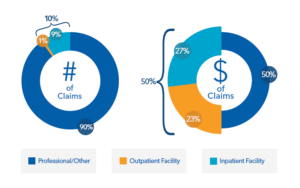
Traditional health plans often rely on complex prior authorization systems that delay care and create administrative friction for both providers and patients. The PERMA FAIR model takes a different approach. Rather than placing unnecessary barriers in front of care, the focus is on the individuals who drive the majority of healthcare spending. Approximately 10% of plan members account for nearly 90% of healthcare costs. By identifying those individuals early and surrounding them with clinical support and care navigation resources, employers can improve outcomes while controlling costs more effectively. Doctors and hospitals remain focused on delivering care, while the plan focuses on managing the overall healthcare program and ensuring that the right support is delivered to the members who need it most.

Medical facility claims represent only 10% of claims but comprise approximately 50% of spend


A Transparent Fee Structure

Many indexed pricing vendors that do what PERMA FAIR does charge fees based on a percentage of billed charges or calculated savings. Because billed charges often bear little relationship to the true cost of care, this approach can create misaligned incentives. PERMA FAIR instead charges a simple, transparent per-employee-per-month administrative fee. The fee is predictable, budget-able, and often one-third to one-half the cost of competing models. Because the fee is treated as an administrative expense rather than a claim expense, it also helps reduce stop-loss exposure for employers. The structure aligns incentives, maintains transparency, and ensures that employers clearly understand the cost of the services being provided.


Conclusion

PERMA FAIR represents a modern approach to healthcare pricing that aligns fair provider reimbursement with long-term affordability for employers and plan sponsors and better access for patients. By combining indexed pricing, best-in-class plan administration, proactive care management, and transparent fee structures, the model provides a sustainable framework for employer-sponsored healthcare. As healthcare costs continue to rise and fiduciary scrutiny increases, transparent methodologies such as PERMA FAIR offer a practical path forward for employers seeking to manage healthcare responsibly while protecting the interests of their employees.

Download PDF

Joe DiBella on WOND Radio: Reference-Based Pricing & Its Impact on Healthcare

What’s Next for GLP-1 Access and Utilization?

By Simon Leung, PharmD, RPh and Jill Ambrose, MBA, BSN, RN

The weight loss trend isn’t going away any time soon. In a 2025 West Health-Gallup poll, 52% of adults in the U.S. said they would like to lose weight. With so many Americans looking to lose weight, the demand for weight loss drugs like GLP-1s continues to rise. According to Gallup, the use of weight loss injectables by U.S. adults more than doubled from 5.8% to 12.4% between early 2024 and late 2025. And more than 170,000 people are already taking the Wegovy pill that maker Novo Nordisk just launched in the U.S. in January 2026.

While the employee benefits talk had focused mainly on the high cost of these drugs, increased utilization is now compounding the GLP-1 conundrum. Both issues pose a great challenge for employers as they look to support employees in bettering their health while balancing the short and long term expenditures. With the arrival of GLP-1 generics for weight loss not expected in the U.S. until late 2031 at the earliest – and the Food and Drug Administration’s recent actions to limit compounded drug production – there are no lower-cost options on the market.

While there is no “silver bullet” for the GLP-1 conundrum there are new access pathways emerging, beyond traditional pharmacy benefit managers (PBMs), that could prove effective for plan sponsors depending on their budget and goals.


Direct To Consumer

At the end of 2025 manufacturers Eli Lilly and Novo Nordisk launched direct-to-consumer programs that allow patients with prescriptions to purchase GLP-1s for weight loss directly from the manufacturers at lower prices. Through these programs cash-paying patients can purchase Eli Lilly’s Zepbound (tirzepatide) injectables for as low as $299 for the starting dose, Novo Nordisk’s Wegovy (semaglutide) injectable for $349 per month at the lowest dose and the Wegovy pill for $149-$299 per month. When accessed through the employer PBM these same medications can cost the employer anywhere from $700 to $1,000 per month.

The direct-to-consumer pathway does not coordinate with insurance and is designed for individuals without GLP-1 coverage, meaning employers can’t tap into these lower prices directly. However, if they completely remove GLP-1 coverage from their PBM, employees might turn to the direct-to-consumer pathway to access these drugs. While that approach might offer significant savings for employers, it puts the cost burden directly on employees – and the price might end up being higher for them than an insurance co-pay would have been – which could potentially dampen employee satisfaction with their benefits. Plan sponsors will have to weigh the savings with their recruitment and retention goals.


Direct To Employer

In January 2026 Eli Lilly and Novo Nordisk began testing direct-to-employer models that allow employers with self-funded plans to bypass traditional PBMs and work directly with vendors or specialty pharmacies to include GLP-1s in their health plans. By working directly with the vendors or specialty pharmacies instead of a PBM, employers get improved transparency which helps them forecast drug spending, as well as pricing as much as 30-40% lower than PBM pricing. These vendors will also manage eligibility, prescription fulfillment and ongoing care – lightening the administrative burden on employers. Direct-to-employer programs can help employers access GLP-1s at a lower cost, however, the utilization challenge driving up overall costs remains and is likely to increase as the costs to employees go down.

Some direct-to-employer vendors help control utilization through a wellness management component. For example, the vendor might have their own network of obesity specialists who clinically evaluate each case for eligibility and work with approved patients on an ongoing basis. While these wellness programs can help control utilization, they come at an additional cost that could negate much of the net savings over PBMs. There’s also the option to add wellness programs through the PBM model. It comes down to a numbers game and plan sponsors will need to evaluate what’s best for them based on their budget, employee population and health plan goals.


Targeted GLP-1 HRAs

Another option that allows employers to move GLP-1s out of their pharmacy benefit is the use of a health reimbursement arrangement (HRA) specifically targeted for GLP-1s. An HRA is an employer-funded benefit that reimburses employees tax-free for qualified medical expenses. Through this set up, employees would access GLP-1s through the direct-to-consumer programs and the employer would be able to subsidize some of the cost – delivering a more supportive arrangement.

Employers using an HRA need to be explicit that it only covers expenses for GLP-1s for weight loss. The HRA allows employers to have greater control over utilization, by dictating who qualifies through eligibility requirements, such as a body mass index (BMI) threshold or diagnosis of certain comorbidities. While this arrangement isn’t a “silver bullet,” it does allow employers to set contribution limits and rollover unused funds. Plan sponsors might want to consider out-of-the-box arrangements like HRAs to control costs and utilization while keeping employees feeling supported.


Non-Pharmaceutical Options

Outside of GLP-1s for weight loss, there’s also a growing market for non-pharmaceutical weight management products. In August 2025 the U.S. Food and Drug Administration approved the first over-the-counter continuous glucose monitor (CGM) indicated for weight management. The product is designed to help users build healthy habits by better understanding how their body reacts to certain foods.

An advantage of non-pharmaceutical weight management vendors is that these programs can be utilized by all employees, helping to improve overall population health and lower medical spending. Plan sponsors can also use them as a utilization management tool, requiring employees to participate in a structured lifestyle or nutrition program from a chosen vendor before they can become eligible for GLP-1s under the pharmacy benefit. Again, these programs would be an additional cost – but employers should weigh the payoff of a healthier employee population in their decisions.


Your Partner In GLP-1 Strategy

As the GLP-1 landscape evolves new strategies to contain spending and utilization continue to emerge. While there is no perfect solution that’s right for every employee population, a good benefits consulting partner will work with you to determine an approach that fits for your organization. At Conner Strong & Buckelew our consultants, population health and pharmacy practice groups are working on the frontlines — developing data-driven strategic solutions that help organizations manage the GLP-1 conundrum. We can help your company stay up to date in the rapidly changing landscape and work with you to build custom solutions for your business. Contact us to learn more.

Download PDF

Pharma Construction: Maximizing Savings and Control Through Owner Controlled Insurance Programs

By Daniel Brettler and Andrew Wagner

Over the next several years, a surge is expected in the construction of new domestic pharmaceutical manufacturing and research facilities, as well as major construction projects to renovate and expand existing U.S. pharmaceutical facilities. Among the key factors behind the rise in pharma company construction are increasing tariffs on imported goods by the federal government and the desire to have better controls over supply chains. Another factor contributing to the expected boom in domestic pharma construction is the opportunity to take advantage of FDA PreCheck, an initiative which cuts regulatory red tape for pharmaceuticals manufactured in the U.S.

While the long-term fiscal and operational advantages of U.S.-based manufacturing are evident, pharmaceutical companies need to find ways to maintain tight controls over construction-related costs and minimize the liability exposures inherent with large construction projects. For large construction and renovation projects with budgets of $100 million or above, an Owner Controlled Insurance Program can be an effective tool for achieving significant cost savings, reducing potential coverage gaps and mitigating liability exposures — all while giving pharma companies greater control.


What Are Owner Controlled Insurance Programs?

An Owner Controlled Insurance Program (OCIP) is a single insurance program designed to cover liability arising from large construction projects. Held and paid for by the property/business owner, OCIPs typically include key coverages such as general liability (including completed operations), workers’ compensation and excess liability. They can also be expanded to include coverages such as professional liability, pollution/environmental liability, etc. Coverage under an OCIP extends to all of the involved parties, including the owner, general contractor and all subcontractors — creating a streamlined, uniform approach that offers several key advantages.


How Do OCIPs Benefit Major Pharma Construction?

OCIPs offer significant advantages for large pharma construction projects with insurance budgets of $1 million and beyond. These advantages fall into two primary categories: cost savings and greater control.

Four Ways OCIPs Drive Cost Savings

  • Savings through economies of scale: Securing coverages under one policy provides pharma companies with more purchasing power and the advantage of economies of scale that can support significantly improved pricing, better terms and higher coverage limits. And the savings, which would otherwise go to contractors as premium or contract expenses, are often substantial.
  • Savings through higher deductibles: With deeper resources than general contractors and greater control over safety and risk control (outlined below), pharma companies can utilize contractor insurance credits to fund higher deductibles on the OCIP based on their own risk tolerance. Any unused deductibles under the OCIP go back to the owner, whereas unused deductibles under a contractor controlled insurance program (CCIP) go back to the general contractor to improve their bottom line.
  • Savings through reduced litigation costs: Having all of the contractors and subcontractors covered under a single insurance contract eliminates questions and issues around who the negligent party is when a claim occurs, so the owner is not burdened with the time and expense of managing contractor vs. contractor litigation or subrogation issues.
  • Savings through tax-advantaged funding: Owners typically utilize contractor insurance premium credits to fund deductibles for an OCIP program. When deductible premiums are funded through the owner’s captive insurance company, the tax benefits can be significant. Premiums associated with risks for third parties, such as contractors and subcontractors, are traditionally tax advantaged and viewed favorably by the IRS.

Greater Control in Three Key Areas

  • Control over interior outfitting: The interior outfitting of a pharma facility can include specialized equipment general contractors don’t commonly handle. Due to the special nature of the equipment and the precision with which it must be installed, most owners prefer to purchase the equipment directly and have it installed by the manufacturer. An OCIP allows for such owner-controlled elements of the project to be covered where a CCIP does not.
  • Control over safety, risk control and compliance: While general contractors manage site safety, they may not be well versed in the higher safety and regulatory requirements specific to pharma facility construction. An OCIP secured through a broker with construction safety, risk control and life science compliance expertise can deliver additional oversight and foster a safety and compliance culture that helps reduce injuries, lawsuits and fines.
  • Control over contractor selection: An OCIP provides owners with more control over the selection of project contractors. For example, the owner may wish to engage with a minority enterprise for social or tax credit reasons, but the entity may not have sufficient insurance limits to qualify under a non-OCIP program. Under an OCIP, the owner can negotiate an exception with the insurer that would provide coverage for a preferred contractor.


Four Essentials to Look for in a Broker Partner

OCIPs have evolved and improved significantly over the last 10 to 15 years, so it is crucial to work with a broker that has kept up with the changes and has the right experience and resources to help you maximize the advantages of this approach, including:

  1. OCIP administration resources: Partnering with a broker that can deliver robust OCIP administration services is crucial because it lifts the majority of the administrative burden from owners and risk managers.
  2. Extensive OCIP experience: Working with a broker that has extensive experience in OCIPs and construction market alternatives is essential to secure the comprehensive coverage you need at the best possible terms.
  3. Dedicated life science team: Collaborating with a broker that has specialized life science expertise is vital to ensuring your OCIP coverage meets the unique needs of pharma manufacturing and research facilities.
  4. Deep bench of safety and risk control professionals: Teaming up with a broker that has dedicated in-house experts to help you promote a safety culture can lead to safer worksites and reduced liability exposures that translate to savings.


Partner With Us

Conner Strong & Buckelew has a proven track record of structuring OCIP solutions that enhance our clients’ protection while delivering millions in savings. Our seasoned life science and construction professionals understand the unique needs and requirements of pharmaceutical construction projects and will work with you to develop a customized OCIP for your project.

20% of our team is dedicated to safety, risk control and claims advocacy & consulting —  including experts with 20+ years of experience who will work with the general contractor and your safety personnel to promote a safety culture and identify ways to mitigate risk.

Your Partner in Safety

Our safety and risk control team will be actively involved for the duration of your project, including:

  • Attending pre-construction meetings
  • Making routine site visits and visits for emergencies (i.e. injuries, weather events, labor issues, etc.)
  • Supporting regulatory compliance, including OSHA visits
  • Providing guidance on worker orientation and training

Superior Administration Support

Unlike most brokers, we can help support the administrative aspects of your OCIP through our owned affiliate company that specializes specifically in controlled insurance program administration — which means less heavy lifting for you and your risk manager.

Contact us to learn more about how we can deliver an OCIP solution tailored to the unique needs of pharmaceutical and life science organizations.

Download PDF

Closing the Gap: Women’s Health and Employee Benefits

By Jill Ambrose, MBA, BSN, RN and Jackie Becker

Women make up nearly half (47%) of the U.S. workforce and spend an estimated $15 billion more each year in out of pocket healthcare costs than their male colleagues. Employers looking to attract and retain top talent will need to better address women’s health needs through their benefits. Doing so starts with understanding the healthcare disparities women face, what health issues are driving up healthcare costs for women and the support they are looking for from their employers.

Historical Disparity in Healthcare

It’s well known to those within the healthcare industry that women’s health research lags far behind that of men. In fact, the Food and Drug Administration (FDA) and National Institutes of Health (NIH) did not require the inclusion of women in medical research and clinical trials until 1993. In recent years, women still accounted for less than half of clinical trial participants. Even today, we know so little about women’s health.

According to the NIH, only 6% ($3.1 billion) of its roughly $48 billion budget in 2024 went to women’s health research. Because we don’t understand women’s health, women are more likely to have negative experiences in the health system than men. In research conducted in 2022, 29% of women ages 18-64 who had seen a care provider in the past two years reported that their doctor dismissed their concerns. The inherit gender bias in the healthcare system keeps many women from seeking the care they need, leading to delayed diagnoses, which often cause diseases to be more complex, harder to treat and more costly for both the employer and employee.

Employers Need to Better Address Women’s Health Challenges

While employers have started to view women’s health differently from the rest of their benefits, there are still gaps in the main areas where women need more support. In the last decade, much of the focus on women’s health has been on fertility benefits.  However, when looking at the lifetime continuum of care for women employees, maternity care is only a small fraction of their overall health journey. That’s a significant gap considering that approximately one in five workers is a woman aged 45 or older, according to U.S. Bureau of Labor Statistics data from November 2025. Women employees are working through multiple life stages and need to be supported throughout all of them. Here are some of the trending women’s health areas that employers should be aware of and give greater consideration when designing benefits.

  1. Reproductive Health

    One of the biggest trends happening in women’s health is the shift in the age range of women giving birth. According to data from the CDC, from 1990 to 2023 the fertility rate increased 71% for women ages 35-39 and 127% for women ages 40-44. It’s known that pregnancy-associated risks increase for women over 30. At the same time, infertility impacts one in six people globally. Between fertility care and later childcare, growing a family can bring an additional cost burden to many employees.

    Employers need to think beyond paid parental leave and consider addressing a broader spectrum of reproductive issues — such as fertility, surrogacy coverage, mental health care, flexible work arrangements, pregnancy loss leave, lactation needs, access for all genders/identities and more — to ensure benefits address financial, emotional and logistical challenges.

  2. Cancer

    There are significant disparities when it comes to cancer incidence and death between men and women. Right now we’re seeing incidence rates for women continue to rise while they decline for men. For women under age 50 the incidence rate is 82% higher than that of men in the same age range. Black women continue to have the highest mortality rate for breast and uterine cancer, both of which are survivable when detected early. In fact, many of the cancers that most often affect women, such as breast, colorectal and cervical cancer, can be survived when detected in the earliest stages.

    Often, time and money are the main barriers preventing women from regular screenings. As cancer diagnoses rise in younger women, employers need to consider different approaches to make screenings and detection more accessible – including multi-cancer early detection offerings, offering specific time off for cancer screening or covering the cost of the diagnostic testing if needed after screening. Additionally, employers should consider removing age limits for specific screenings (e.g. colorectal and breast) and for heightened risk profiles (e.g. BRCA gene).

    Proportion of Total Cancer Deaths Averted Due to Screening and Removal of Precancerous Lesions (1975-2020)

    Bar chart showing percentage of cancer deaths prevented by screening: cervical 100%, colorectal 79%, breast 25%.

    Source: American Association for Cancer Research, Cancer Progress Report 2025

  3. Menopause

    Menopause is a condition that all women experience, and with women remaining in the workforce later in life, many will experience it while working. Recent surveys find that one in five women consider leaving the workforce due to their symptoms. Menopause is estimated to cost U.S. employers $26.6 billion annually in lost work time and medical expenses. Menopause symptoms greatly impact absenteeism and productivity. This is compounded by the fact that women have a hard time finding the resources they need and their symptoms go untreated. Only 35% of women ages 40-64 said that a health care provider discussed what to expect during menopause with them.

    Employers should consider women’s-health-specific vendor solutions that provide support and management of perimenopause and menopause symptoms.

  4. Autoimmune Diseases

    About four out of five people with an autoimmune disease are women. This is an emerging area that is impacting a growing number of women in the workforce. With an autoimmune disorder, the immune system attacks healthy tissue, damaging or destroying it. Getting an autoimmune disease diagnosis can be a long and arduous process, taking an average of four to five years from the onset of symptoms. Employees often face costs from seeing multiple specialists, repeated lab work and lost time during periods of undiagnosed flares. From rheumatoid arthritis to multiple sclerosis, most autoimmune diseases are chronic with no cure, so treatments are aimed at managing symptoms.

    While science is improving the treatment of these conditions, the treatments are often costly. According to a study by the Integrated Benefit Institute, excess medical and pharmacy costs for employees with autoimmune diseases range from $2,200 to $33,500 annually. As science continues to progress, other advancements such as precision therapies could be initiated for disease management. Employers could consider enhanced flexibility and support for working arrangements to manage disease flare ups and appointments.

How Can Employers Better Support Women?

There isn’t a perfect or one-size-fits-all answer to addressing the totality of women’s health through employee benefits. But employers need to be more aware of the disparities impacting women’s health and consider women’s health issues in their plan designs. Now more than ever, women’s health benefits are becoming a strategic retention and growth tool. When women have benefits that address their entire continuum of care, they are more productive, feel valued and are more likely to remain with their employer.

Some ways employers can start investing in women’s health benefits include:

  • Improving access to screenings – Some companies are starting to remove age restrictions for preventative cancer screenings to help encourage employees to get screened without having to worry about the cost or navigating authorization hurdles.
  • Offering women-specific support – Some, but not all, enhanced areas of support include flexibility in working arrangements for women’s health management, specific time off for disease management, education and resources for the best approach for the continuum of care.
  • Working with women’s health vendors – There are health vendors that have developed solutions aimed at addressing specific disparities in women’s health that employers can work with to offer more robust support.
  • Working with the right broker – A broker with in-house population health, data analytics and communication expertise can help you implement a cost-effective plan that supports women employees and improves outcomes through education that encourages a proactive approach to healthcare, such as early screenings.

Another strategy employers might consider is moving to a self-funded plan. Self-funded plans create an opportunity to bring greater clinical sophistication to benefit strategy. By analyzing claims data at a population level, brokers and consultants can work with employers to anticipate emerging risks, enhance preventative care programs and introduce evidence-based solutions. This approach ensures decisions are driven by data, while reinforcing that employee privacy is not just protected – it is foundational.

The Conner Strong & Buckelew Advantage

Valuing female employees by striving to help them achieve health equity can support organizational growth. Our consultants, in-house population health experts and communication team have helped clients design and implement robust, data driven employee benefits plans that leverage data warehouses and utilize a benefits risk management approach to address the key health issues impacting women today.

Contact a member of our team today to learn how we can help you improve outcomes for your entire employee population.

Download Printable PDF

Mitigating Risks in Human Services: Protecting People & Missions

Commercial Foreign vs. Business Travel Accident Insurance: Differences and Why You May Need Both

By Daniel Brettler

Commercial Foreign Insurance

The Basics

Commercial foreign insurance policies (also known as foreign packages or multinational policies) typically extend standard business coverages — such as general liability, auto, employers‘ responsibility, property and other incidental coverages — outside the U.S., Canada and their territories. Coverage may be provided via admitted or non-admitted policies or both, although many countries mandate admitted policies written locally in their own language and currency. Regulations aside, employees working abroad are generally accustomed to policies that offer broad travel accident benefits provided by foreign-domiciled insurers on admitted policy forms.

Occupational-Related Structure

It’s important to understand that foreign commercial insurance policies typically cover occupational-related accidents and illnesses only. For example:

  • If an employee traveling from France to Germany for a business meeting is injured in a car accident en route, liability and first party injury claims should be covered.
  • However, if the employee is injured while visiting a friend’s home in Germany before the meeting, that loss is unlikely to be covered.
  • Similarly, contracting an illness like the flu during travel may not be covered.

These examples illustrate the complexities and potential coverage gaps of foreign commercial insurance, which are particularly concerning in light of how employers’ responsibility and state-sponsored health programs operate outside the U.S. For example, U.S.-based employee benefits programs often exclude in-network benefits abroad, putting employees at financial risk and left to navigate the unfamiliar healthcare systems of foreign countries.

A multi-pronged approach that also includes business travel accident insurance can help close foreign commercial insurance coverage gaps and extend coverage even further.

Business Travel Accident Insurance

The Basics

Business travel accident (BTA) policies serve as primary insurance in certain situations and supplemental insurance in others. Key benefits include:

  • Out-of-Country Medical Coverage: BTA acts as primary insurance when no other health insurance is available. For instance, if an employee is injured during personal time abroad and needs hospital care, BTA coverage may be the main source of protection.
  • Immediate Access to Care: BTA policies typically provide the cash security required for employees to access treatment facilities outside the U.S. and assist the employee directly with event logistics.
  • Supplemental Benefits: For occupational events, BTA provides additional lump sum benefits beyond those available from foreign commercial insurance or local state health programs. This includes high-limit benefits for loss of life, limb, sight, speech or hearing. BTAs can also supplement low-limit death benefits that may be available under workers’ compensation.
  • Family Member Coverage: BTA can extend coverage to family members traveling with the employee, even for personal excursions, on a 24-hour basis.
  • Additional Extensions: BTA coverage can also be expanded to include medical evacuation, repatriation, security evacuation, family reunion/trip cancellation expenses and more.

Integration With Travel Assistance Services

For large employee travel exposures some insurers partner with worldwide travel assistance providers. If a company has BTA and foreign commercial insurance, the insurer can recognize that single travel assistance provider to coordinate employee support during travel-related incidents. The provider manages employee needs and determines whether the claim falls under the BTA or foreign commercial insurance policy, so employees do not have to navigate the claim and coverage coordination process.

Special Considerations for Clinical Trials Travel

Organizations conducting human clinical trials, particularly those enrolling patients who travel with caregivers or family, can negotiate BTA policies to include coverage for participants and guests traveling for treatment. This is especially relevant for rare disease, cell and gene therapy and foreign clinical trials patients/participants traveling outside their home country.

Bottom Line

While commercial foreign insurance is essential for occupational exposures abroad, it does not fully address all risks associated with business travel —especially those occurring outside the scope of work. Business travel accident insurance fills these gaps, providing comprehensive protection for employees and their families — and offering valuable coverage extensions and support services. That’s why organizations with significant international travel should consider leveraging both types of coverage to ensure optimal risk management and employee well-being.

In addition to enhancing employee protection, a strategy that includes integrated business travel accident and commercial foreign insurance serves as a valuable and appreciated workforce benefit.

To learn more about how these coverages can work together for your organization, please contact the Conner Strong & Buckelew team today.

Click Here for a Printable Download

Reference-Based Pricing: A Solution to Help Self-Insured Employers Control Rising Healthcare Costs

By Joseph M. DiBella and Greg Fanelli

The Challenge of Rising Healthcare Costs

American employers and plan sponsors [“employers”] are facing unprecedented, relentless increases in employee healthcare costs. According to the Business Group on Health’s Employer Health Care Strategy Survey, employer healthcare expenses have surged by more than 60% over the last decade, outpacing inflation and putting significant pressure on company budgets. Employers can no longer rely on minor plan tweaks or simply shifting costs to employees. The need for innovative, sustainable solutions is more urgent than ever. For many self-insured employers, reference-based pricing, sometimes known as indexed pricing, can be a game changer.

What is Reference-Based Pricing?

Reference-based pricing (RBP) is a transformative approach to managing healthcare costs. Unlike traditional health plans that negotiate network discounts on “chargemaster” (list) prices with hospitals, RBP sets payment rates based on an objective, independent benchmark — typically a set percentage above Medicare rates.

TRADITIONAL MODELInsurers negotiate network discounts on hospital chargemaster prices, resulting in unpredictable costs and often significant annual increases.
RBP MODELEmployers pay a fixed percentage above Medicare reimbursement rates, leading to predictable costs and smaller annual cost increases.

Focused on hospital facility costs, which are the primary driver of skyrocketing healthcare costs, the RBP model brings transparency, predictability and fairness to the hospital inpatient and outpatient healthcare purchasing process — and insulation against spiraling hospital chargemaster prices.

Employers adopting RBP to control hospital costs typically pair it with a traditional PPO physician network for non-hospital care, such as routine patient office visits, which only account for a fraction of employers’ overall health benefit costs.

How RBP Controls Costs

RBP directly addresses the root cause of high healthcare costs: the wide variation and lack of transparency in hospital pricing. As the comparisons below indicate, by anchoring payments to Medicare’s established rates, employers can dramatically reduce their hospital/facility-based care costs.

  • National Averages: Traditional insurance plans typically pay about 250% of Medicare rates for hospital services. In contrast, RBP plans often pay 140 to 160% of Medicare rates — a substantial reduction and savings for employers based on a trusted, independent benchmark that also ensures hospitals are paid fairly.
  • Real World Savings Example: One organization faced $92 million in billed charges over three years. Under a typical PPO plan with a 60% discount, they would have paid $36.8 million. Using RBP, the actual claims paid were $25.7 million — a savings of over $11 million in three years.*

Employers adopting RBP can see 20–25% reductions in hospital costs, creating room to reinvest in other employee benefits or business growth initiatives.

Hospital/Facility Acceptance

While there is some variance in facilities’ understanding and acceptance, most do accept RBP plans because:

  • Reimbursement rates are higher than Medicare, fair, reasonable and designed to support facility profitability.
  • RBP claim payments are made promptly, which relieves the stress on facility billing departments that are often overwhelmed and understaffed.

Advantages for Employers and Employees

RBP offers substantial benefits for employers and employees, including:

  • Cost Savings: Self-funded employers can achieve reductions of 20 – 25% in their healthcare spend while employees benefit from lower out-of-pocket costs.
  • Transparency: Employers and employees know exactly how much is paid for major services, removing the network discount guesswork.
  • Broader Facility Access: Employees have access to more hospitals/facilities compared with a traditional plan.
  • Potential for Improved Benefits: With lower costs, employers have more flexibility to reduce deductibles, maintain lower employee contributions or enhance other benefits.
  • Fiduciary Protection: By tying payments to a recognized and trusted benchmark, employers can defend their plan choices as fair and reasonable.

Five Best Practices for Implementing RBP

Transitioning to RBP can pose employer and employee challenges which require thoughtful planning – with a special focus on the employee experience and plan adoption. Here are five things employers can do to help ensure a successful rollout:

  1. Educate employees, dependents and internal teams via year-round resources like videos, FAQs, communication campaigns and meetings to explain RBP and answer questions.
  2. Engage partner advocacy and legal teams to help employees with provider access questions, billing inquiries (including balance billing questions) and general benefits support. Comprehensive advocacy services also ease transitions by significantly reducing HR’s workload.
  3. Phase-in the rollout by offering the RBP plan as an option alongside existing traditional plans, allowing employees to become familiar with RBP benefits and build confidence.
  4. Pair the RBP plan with a traditional physician network, ensuring members have easy access to non-hospital care, such as routine office visits. This will promote preventive care and help avoid, reduce and manage future catastrophic costs.
  5. Ensure robust compliance by aligning plans with ERISA requirements, other federal rules such as the No Surprises Act and relevant balance billing legislation.

The Importance of Broker Expertise

Successful RBP adoption demands expertise. An experienced broker plays a pivotal role in:

  • Analyzing current claims and modeling RBP savings potential.
  • Designing compliant plan documents and aligning with legal requirements.
  • Selecting trusted third-party administrators (TPAs) and advocacy partners.
  • Rolling out effective employee education and support programs.
  • Monitoring outcomes and continuously improving the member experience.

With the right guidance, employers can avoid pitfalls, maximize savings and ensure a smooth transition for their workforce.

The Conner Strong & Buckelew Advantage

Conner Strong & Buckelew brings unmatched in-house expertise to reference-based pricing. Our team has guided organizations of all sizes — including complex, multi-site employers — through successful RBP transitions. We combine strategic plan design, robust advocacy and proven compliance support to deliver measurable savings and improved employee experiences.

If you’re ready to take control of your organization’s healthcare costs and empower your employees with a fair, transparent benefits strategy, contact us today.

*Example based on the actual experience of a Conner Strong & Buckelew client.

Click Here for a Printable Download

Navigating Liability Insurance and Risk Management for Foster Care Agencies

By Kate Kelly and Anthony Cirillo

Foster care agencies are at the brink. Increased litigation, rising insurance premiums and carriers exiting the insurance marketplace have left many agencies struggling to secure the coverage they need to protect themselves from significant exposures — at a price they can afford.

Contributing Factors

There are a number of factors contributing to the coverage crisis facing foster care agencies. These fall into two primary categories — societal and legislative changes and pressures on the insurance market.

Societal and Legislative Changes

  • Today’s more litigious society and increased awareness stemming from greater media coverage and scrutiny has contributed to a surge in litigation and claims.
  • Legislative changes, such as the Eliminating Limits to Justice for Child Sex Abuse Victims Act (2022) and the Child Victims Act (2019) in New York, have removed the federal statute of limitations for civil claims related to child sexual abuse.
  • Several states – including New York, California, Pennsylvania and New Jersey – have expanded or created revival windows for filing previously time-barred cases, resulting in an influx of claims that are decades old and often result in significant payouts.
  • Foster care agencies are facing higher caseloads and limited funding, contributing to overburdened systems that strain resources.

Insurance Market Pressures

  • Rising claim frequency and severity have resulted in unsustainable underwriting losses for insurance carriers.
  • Many insurers have exited the market and those remaining have significantly increased premiums, restricted coverage terms and reduced limit offerings.
  • The shift in policy structures from “occurrence based” to “claims made” means that insurers are taking on risk for an unprecedented number of incidents that may have occurred 20 or 30 years ago.

Despite these challenges, liability coverage remains a legal requirement in most states, leaving foster care agencies struggling to secure the protection they need.

What You Can Do

With liability insurance harder to obtain, there are steps foster care agencies can take to help protect themselves, lower their risk and make themselves more attractive to insurers — beginning with building a strong foundation of risk management policies and procedures.

Comprehensive Policies and Procedures

Every foster care agency should maintain comprehensive, written policies and procedures covering child safety, abuse prevention, reporting requirements and staff and foster parent selection. These should be regularly updated to comply with all relevant regulations and best practices. Agencies must also establish clear protocols for incident reporting, documentation and follow-up actions — ensuring all responses and corrective measures are thoroughly recorded and retained. Additionally, contracts between the agency and foster parents should be properly executed and securely retained.

Vetting and Training Foster Parents and Employees

Agencies should implement and strictly adhere to procedures for thoroughly vetting all foster parents and employees — including background checks and referrals. They should also provide training on child safety and reporting requirements. Additionally, regular supervision and inspection of homes is essential to help identify potential risks early and often.

Acting Quickly to Remove Children from Questionable Environments

Many claims stem from allegations that the abused child was placed in an unsafe home, and the agency did not provide the correct environment for the child and/or did not remove the child quickly enough from an unsafe environment. Agencies need to act quickly to remove children from homes at the first sign that the environment is not safe.

How a Broker Can Help

The right insurance broker can be a valuable partner for foster care agencies. It’s important to work with a broker partner that has full access to the marketplace and stays abreast of emerging markets and/or alternative risk strategies to obtain coverage. Additionally, agencies should partner with a broker that has extensive experience and a proven track record of delivering coverage solutions, risk control guidance and claims advocacy to foster care agencies.

The Conner Strong & Buckelew Advantage

We work extensively with foster care agencies to develop and implement best practice risk controls that align with insurance carrier requirements for providing coverage — ensuring your agency is “best-in-class” and is represented as such in the insurance marketplace. Our deep relationships with domestic and emerging markets enable us to keep our pulse on the evolving landscape. Beyond traditional placement, we can also work with you to uncover creative solutions, such as captives, fronting solutions and/or risk retention groups. And when a claim occurs, our legal and claims advocacy teams will be right there to help ensure the most favorable outcome possible.

Contact a member of our team today to learn how our holistic approach can support your organization’s sustainable future.

Click Here for a Printable Download